BREATHING
Hard cement traps the damp
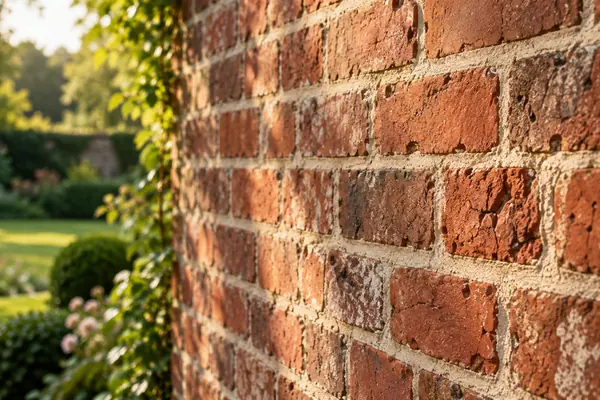
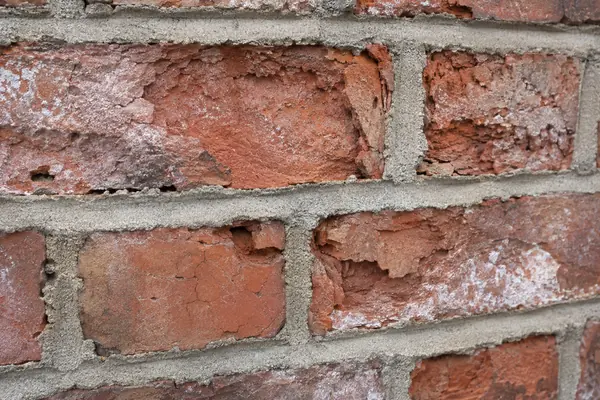
The SPAB says cement pointing makes the bricks the most permeable part of the wall, so they suffer the greatest frost and salt damage.
Why it happens doodlebricks
WHAT CONSERVATION GUIDANCE SAYS
In an old wall, the joints are meant to wear first.
Check a wall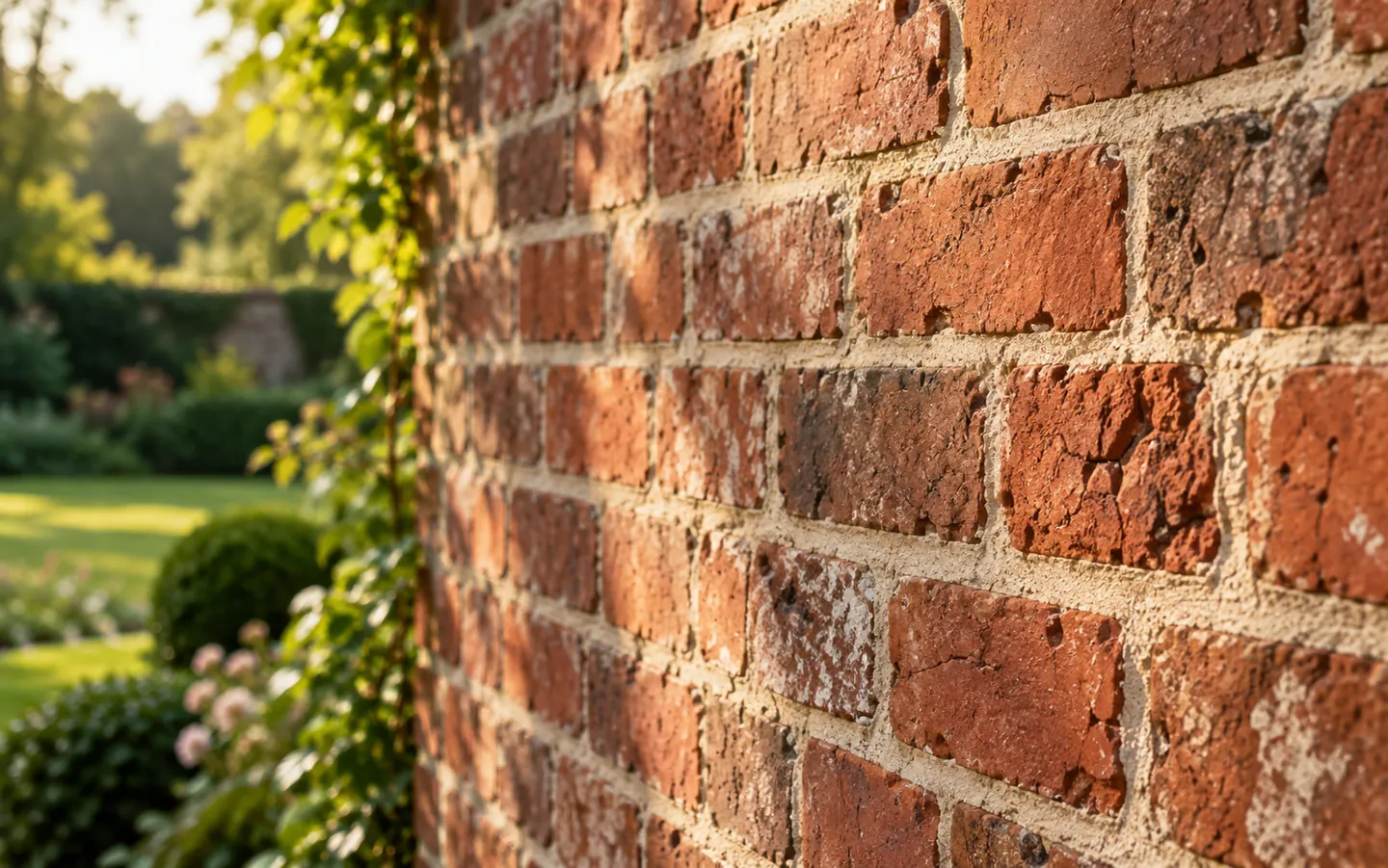
SOFTERthan the brick
Lime mortar is softer and more breathable than the bricks around it, so frost and salts do their damage in the joints. Repoint with something harder and the bricks take the hit instead.
At a glance
1 : 3
Lime putty to local sand, by volume
The US National Park Service's Preservation Brief 2 says traditional mortar was generally 1 part lime putty to 3 parts sand, a recipe that stayed largely unchanged for centuries.
TRADITIONAL MIX · US NPS
2–2½× joint width
Depth to remove old mortar
Old mortar should be removed to at least 2 to 2½ times the width of the joint, which for most brick joints is about ½ to 1 inch. The SPAB gives twice the joint width.
RAKING OUT · US NPS
TWO NUMBERS WORTH KNOWING
One figure on what traditional mortar was,
one on how deep to go when repointing.
Portland cement was patented in Great Britain in 1824 and named after Portland stone from Dorset. Salford City Council advises that, as a general rule, buildings constructed before 1900 must be repaired with lime.
A QUICK WALL CHECK
Pick what you see on an old brick wall to see what conservation guidance suggests. The bar shows how strongly the guidance points to action.
Based on SPAB advice on repointing. For listed buildings or serious damage, ask a conservation specialist or your council first.
THE SHORT ANSWER
Old walls were built to let moisture out through the mortar.
Guidance is about keeping it that way.
BREATHING
The SPAB says cement pointing makes the bricks the most permeable part of the wall, so they suffer the greatest frost and salt damage.
Why it happensTIMING
Repointing is premature until mortar has weathered back about as deep as the joint is wide, or is very loose. Usually only patches need doing.
Check a wallMETHOD
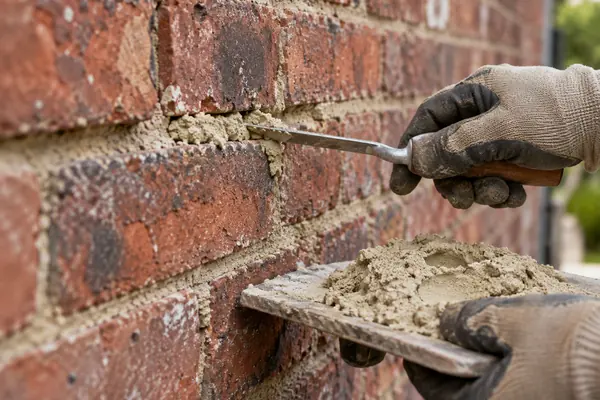
Guidance says to rake out old mortar to about twice the joint width, avoid winter work and protect new pointing from frost, sun, wind and rain.
How it is done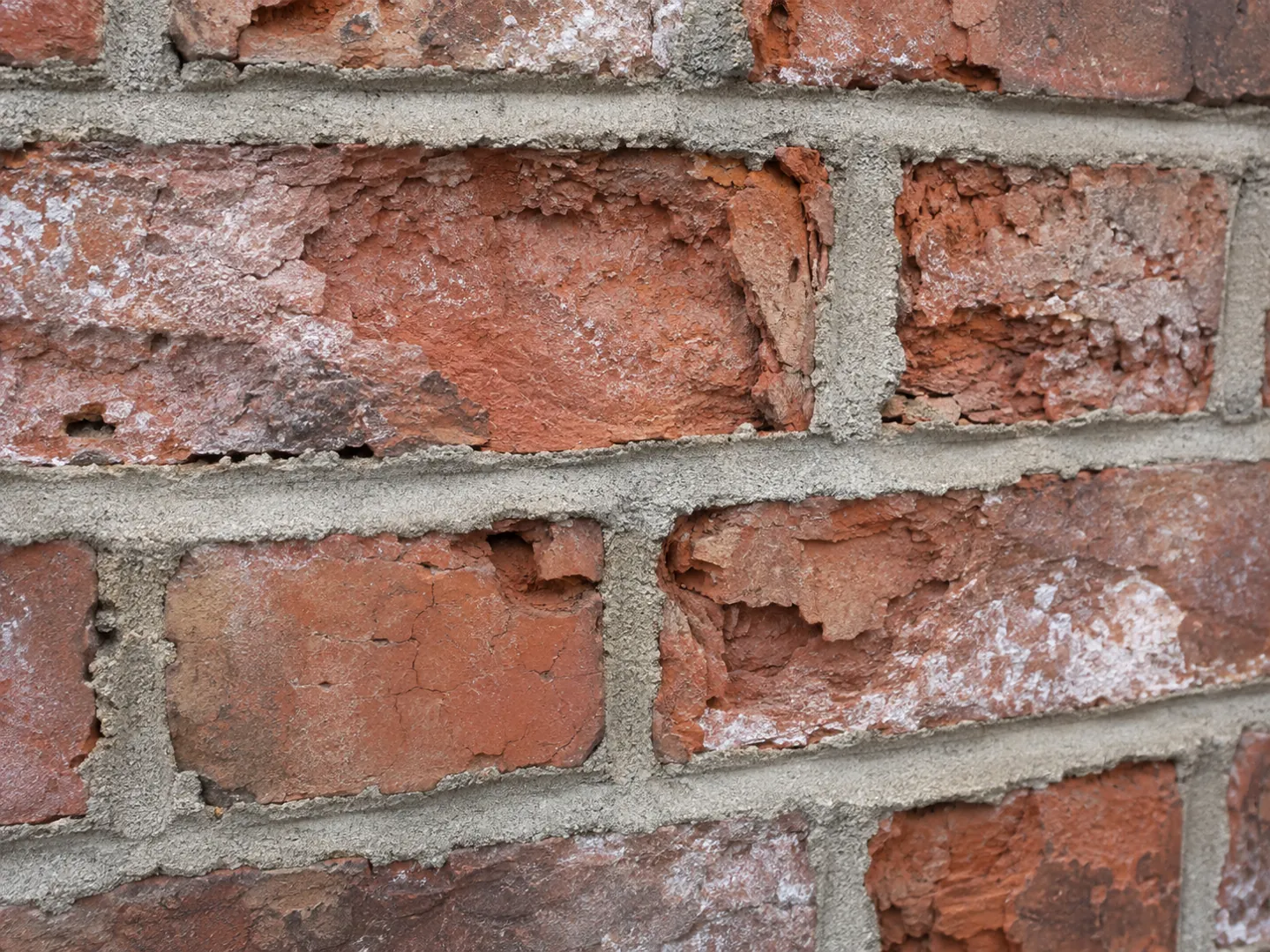
FOUR STEPS FROM THE GUIDANCE
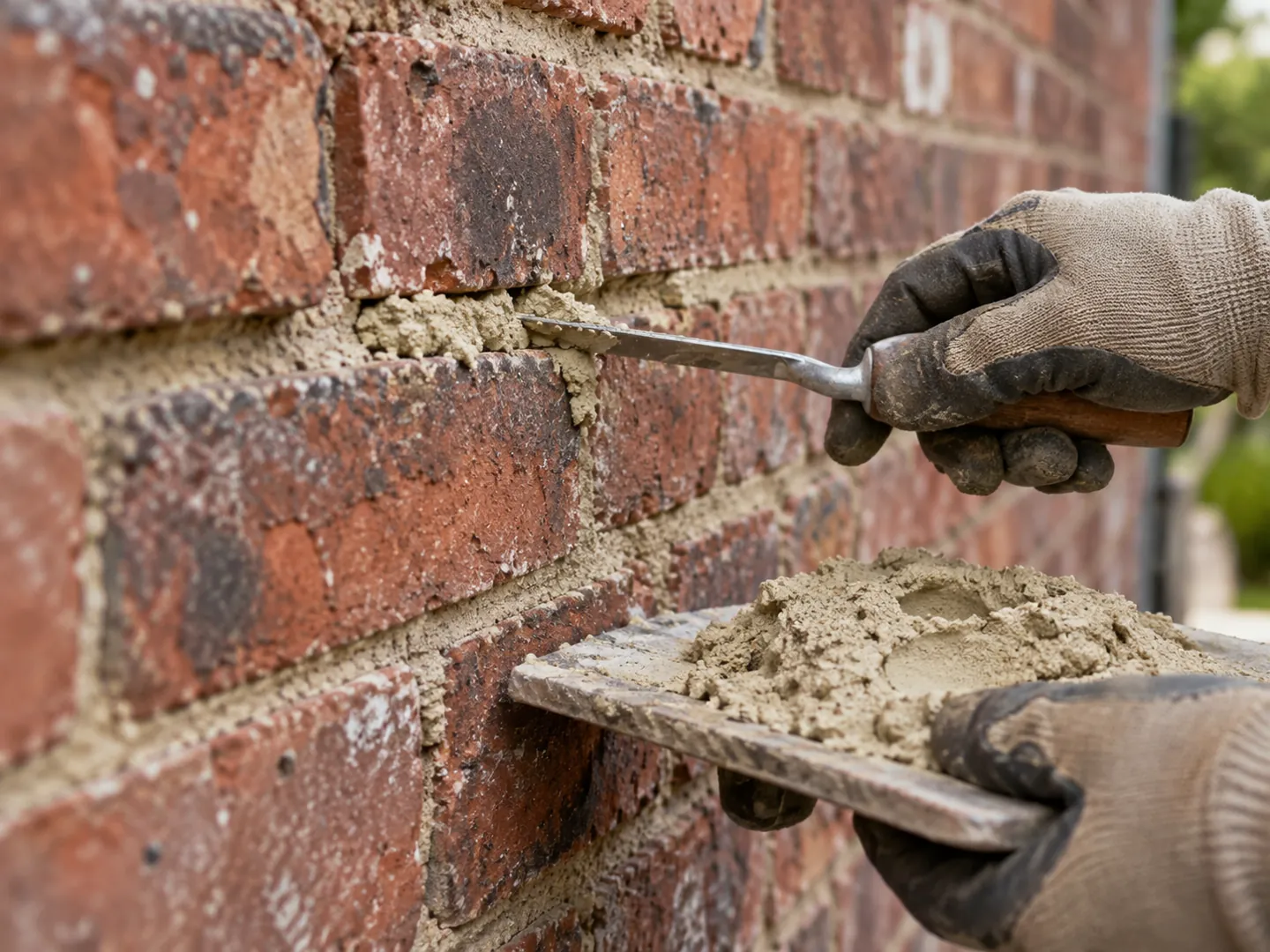
Good repointing is slow work. These steps come from SPAB advice and the US National Park Service's brief on repointing historic masonry.
Old pointing is often best preserved in sheltered spots such as under the eaves. Match its material, colour and finish.
Any new mortar must be weaker than the bricks and at least as breathable, so the joint, not the brick, takes the wear.
Remove old mortar to about twice the joint width, carefully, so brick edges are not chipped.
Avoid winter. The NPS suggests wall temperatures between 8 and 38 °C, and shade from strong sun to slow drying.
WHY CEMENT HARMS OLD BRICK
Walls get wet. In a lime-built wall, moisture moves out through the joints. The NPS explains that when water evaporates it leaves salts behind, and salts crystallising inside a brick can push its face off.
Salford City Council's guidance describes cement mortar as acting like a glue that does not move with the building and stops moisture evaporating from the joint, leaving brick and stone faces crumbly or powdery.
Questions
Not on its own. The SPAB says repointing is not justified simply because mortar is soft. It becomes due when mortar has weathered back to about the joint width or is very loose.
On old buildings, hard cement pointing makes the bricks the most permeable part of the wall, so they take the frost and salt damage instead of the joints. New mortar should be weaker than the bricks.
Salford City Council advises that, as a general rule, buildings constructed before 1900 must be repaired with lime. The SPAB notes lime mortar was widely used for pointing on pre-c1919 buildings.
Lime from limestone with silica and aluminium impurities that sets harder. It is graded NHL 2, 3.5 and 5. The SPAB notes that the more hydraulic a lime, the stronger but less permeable and flexible it is.
The SPAB says to avoid winter where possible and protect new work from frost, rapid drying and rain. The US NPS suggests wall temperatures between 8 and 38 °C.
Sources
ABOUT THIS NAME
doodlebricks.com is part of the DoodleSale portfolio. It isn't in an auction right now, but you can ask about leasing it.